Your Text Blast Gets Judged by Its Link, Not Its Copy

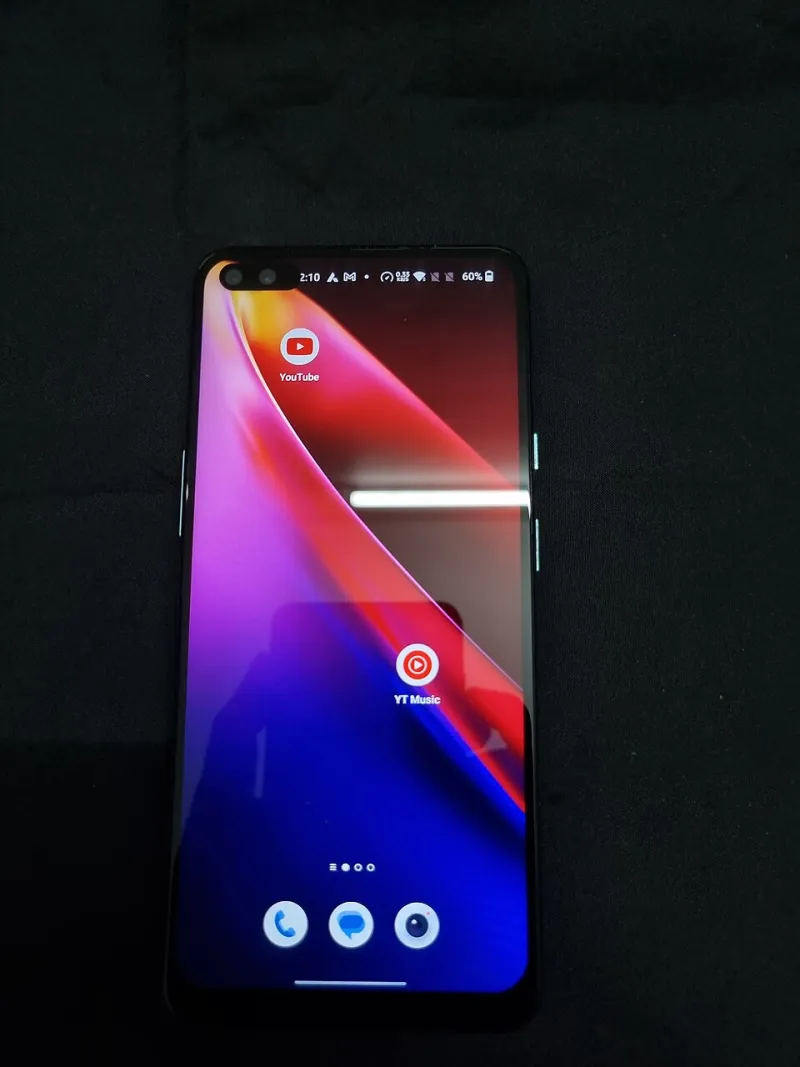
Photo: JoachimKohler-HB, CC BY-SA 4.0, via Wikimedia Commons
A perfect 160-character promo can still die in transit. Ask anyone who has sent a Tuesday discount to 4,000 contacts and watched it land on maybe 900 screens. The copy was fine. The offer was fine. What got flagged was the link.
Carriers and the filtering platforms they lean on don't read your text the way a customer does. They score it. And inside that score, the URL is one of the heaviest signals in the entire message — heavier than your emoji, heavier than your opt-out line, heavier than whether you put SALE in all caps.
This isn't a reason to panic. It's a reason to treat your SMS link with the same care you'd give a subject line. Below is the working checklist we'd hand to a bakery, a gym, a dental office, or anyone else running texts to a US list in 2026.
The part of the message nobody proofreads
Most teams spend their review time on wording. Somebody reads the offer out loud, somebody checks the date, somebody asks whether "BOGO" needs a hyphen. Almost nobody opens the link on a real phone with a real carrier.
That's the gap. A link that resolves instantly on your office Wi-Fi can behave very differently on a throttled LTE connection, or inside a carrier's link-scanning layer, or after three redirects through services you forgot you were still paying for.
Three things break in that gap:
- Redirect chains. Old shortener → new shortener → landing page. Each hop is another chance for a filter to lose patience.
- Shared short domains. If your link lives on the same short domain thousands of other senders use, you inherit their reputation — good and bad.
- Mismatched branding. A text from "Rosie's Bakery" that carries a URL looking nothing like rosiesbakery.com is a phishing pattern, and filters treat it like one.
What a dedicated domain actually buys you
A dedicated short domain is a small, boring investment that solves a large, boring problem. Instead of sharing a shortening service's generic domain with the whole internet, you point your own short domain — something like rosies.co or rosiesbakery.link — at your landing pages.
The benefit isn't vanity. It's insulation. When one sender on a shared domain gets flagged, everyone on that domain feels the ripple. When you own the domain, your reputation is yours. You can also keep the link visually consistent with your brand, which is what makes the message feel legitimate to a human thumb hovering over it.
Set it up once, use it everywhere: texts, receipts, table tents, email signature. Consistency compounds.
Opt-in hygiene is a link problem too
Here's the part people skip. Deliverability isn't only about the URL — it's about who receives it. A list built from a scraped spreadsheet or a checkbox buried under three other checkboxes will produce complaints, and complaints drag down every link you send afterward.
A few habits that keep the list honest:
- Confirm at signup. One extra tap at the point of collection beats a thousand dead numbers later.
- Honor STOP immediately. Not at end of day. Immediately.
- Prune the silent. If a number hasn't engaged in 12 months, it's not an audience, it's a risk.
- Keep one opt-in source per contact. When someone asks where a number came from, you should be able to answer in ten seconds.
The practical upshot: a smaller, cleaner list sends links that land. A big, murky list sends links that get filtered and then blames the link.
Make the URL look like it belongs
Diners, patients, and gym members are not security researchers, but they've all gotten good at one thing: noticing when something looks off. A link that reads hxxp://bit.ly/3xK9q might be perfectly safe and still feel wrong in a text from a business they know.
A branded short link fixes that in one move. rosies.co/monthspecial tells the recipient three things instantly: this is Rosie's, this is a special, this is short enough to read without squinting.
Two rules of thumb:
- Keep the path readable.
spring-menubeatsa7f2b1. - Don't shorten so aggressively that the destination becomes a mystery. Some brands shorten the domain but keep the descriptive path, which is the sweet spot.
Test before the blast, not after
This is the step that turns a guess into a decision. Build a seed list — eight to twelve real phone numbers across the major US carriers — and send the exact message to it 24 hours before the real send.
What you're checking:
- Did it arrive at all, on every carrier?
- Did the link preview render, or did it show as raw text?
- Did it land in the promotional or filtered folder on Android?
- Does the landing page load in under three seconds on cellular?
- Does the opt-out language appear as expected?
If two of twelve seed numbers don't get the message, you've just saved yourself a four-figure mistake. Fix the link, wait a day, retest.
The pre-blast checklist
Run this before every campaign and the whole thing becomes muscle memory.
- Message includes your business name in the body text.
- Link uses your own short domain, not a shared one.
- No more than one redirect between the link and the page.
- Landing page loads fast on cellular data.
- Opt-out language present and instructions accurate.
- List cleaned and re-confirmed within the last quarter.
- Seed test run at least 24 hours out.
- Send time falls in a reasonable local window, not 3 a.m.
None of this is glamorous. It's the plumbing. But plumbing is why the tap works, and a link that survives the carrier's scrutiny is the only kind that ever reaches a customer's thumb.