Five Links You Should Have Ready Before Life's Big Moments Hit
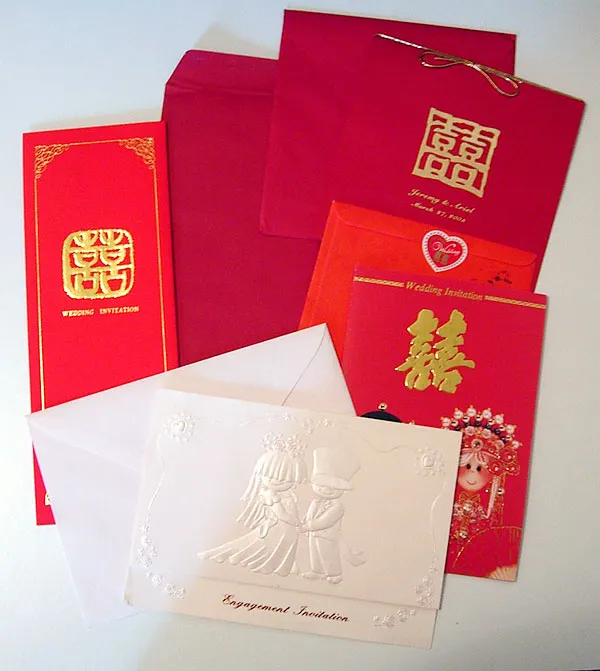
Photo: Unknown, CC BY-SA 3.0, via Wikimedia Commons
Some links are disposable. The one you text your group chat about lunch? Nobody cares. But there's a whole category of links attached to high-stakes moments — the portfolio a hiring manager opens, the registry your aunt in Ohio is trying to find, the obituary page your cousins are checking for service details. Those links have one job, and they need to do it flawlessly, sometimes for years.
Here are five moments where it pays to build your link like it actually matters — because it does.
1. The Job Application
When a recruiter opens 200 applications in an afternoon, your portfolio link has maybe five seconds to work. Make it count:
- Use a custom slug tied to your name, like url-site.com/jamie-ortiz-design. If it appears in a printed cover letter or on a résumé PDF, people need to be able to type it.
- Point it at a simple landing page, not a sprawling website. One page: headshot, three to five best work samples, contact info, done.
- Never link to a page that requires a login. A private Behance or Google Drive folder that asks the recruiter to "request access" is a résumé in the trash.
- Check it the day you apply, not the day you built it. Portfolio sites lapse, domains expire, and you won't get a heads-up.
One bonus: a shortener with basic click counts tells you whether your applications are generating opens. If 30 applications produced three link visits, your résumé is the problem, not your portfolio.
2. The Wedding (and Everything Around It)
Wedding links get shared across generations — grandma gets a printed card, cousins get Instagram, out-of-towners get email. Your link needs to work in all of them.
- Keep the slug short and obvious: url-site.com/rivera-wedding. People will type it from a paper invitation.
- Put everything on one page: dates, hotel blocks, RSVP, registry links. The fewer clicks between "I got the invitation" and "I booked a room," the fewer guests you'll chase down later.
- Mind the registry etiquette. Put registry links behind a clearly labeled section rather than in the invitation itself — guests expect to find them on the wedding site, not in the save-the-date.
- Plan for the afterlife. Keep the page up for at least a year. People send late gifts, and a dead link means a gift card to nowhere.
3. The College Application
Admissions readers who click a supplemental link are usually looking for one thing: proof you did the thing you wrote about.
- Link to the work itself, not a homepage. If your essay mentions the robotics competition, the link should show the robot, not the club's landing page.
- Freeze the page. No blog posts about senior-week antics, no changing "about me" copy mid-admissions season. Treat it like it's under review, because it is.
- Use a neutral slug. url-site.com/maya-chen-robotics reads professionally. Inside jokes don't.
- Test on a school computer. Some districts block certain platforms; a link that won't load on a counselor's machine is a wasted opportunity.
4. The Estate and End-of-Life Paperwork
This is the least fun and most important item on the list. When a family is settling affairs, people in different states need access to the same information — service details, the will's location, who to contact about the house.
- One page, clearly organized, with the executor's contact info front and center.
- Never put sensitive documents on a public link. Estate pages should contain logistics and contacts, not account numbers or scanned legal documents. Share actual files through secure channels directly with the lawyer or executor.
- Choose a link that won't expire. Some free shorteners deactivate links after periods of inactivity. For anything tied to legal timelines, pay for a service or use a link you fully control.
- Tell two people where the link lives. A link nobody knows about is the same as no link.
5. The Big Move or Life Transition
New city, new job, new baby — people in your life suddenly need the same info: the new address, the meal train, the daycare waitlist. A single link shared once beats answering the same text twenty times.
- Make it shareable. The whole point is that your mom can forward it to your uncle without asking you.
- Update in place. A good link-in-bio page lets you edit content without changing the URL, so nothing you've already shared breaks.
Tracking Interest Without Being Creepy
Yes, you can see how many people clicked your wedding page. Should you? A few ground rules:
- Look at totals, not identities. "40 people checked the schedule" is useful. "Aunt Carol viewed it at 11:47 p.m." is surveillance.
- Never mention who clicked. The moment you say "I saw you opened the link," you've turned a tool into a problem.
- Use data to fix problems, not to judge people. If nobody's clicking the hotel block, your page is confusing — fix the page, don't guilt the guests.
The Common Thread
Every one of these moments has the same recipe: one memorable URL, one simple page, one link that doesn't expire mid-crisis. Build it early, test it twice, and let it quietly do its job while you handle the actually hard parts of the moment.